Launching or upgrading a mobile kitchen requires careful attention to materials, especially when it comes to surfaces exposed to heat, moisture, and constant use. The right interior panels protect your investment, help maintain sanitation standards, and ensure long-term performance. Choosing the best food truck metal sheets is not just about appearance—it’s about durability, safety, and compliance with local health regulations.
With so many options available, from stainless steel to aluminum and galvanized materials, it’s important to understand what works best in a high-demand environment. This guide will walk you through the key factors to consider before making your decision.
Understand Material Options And Their Benefits
Not all metals perform the same way inside a commercial kitchen on wheels. Stainless steel is one of the most popular options due to its strength, corrosion resistance, and ease of cleaning. It withstands high temperatures and resists staining, making it ideal for cooking areas and food prep surfaces.
Aluminum is another lightweight and corrosion-resistant choice. It is often more affordable and easier to install, which can reduce overall build costs. However, it may dent more easily than stainless steel, so it is better suited for wall panels rather than heavy-duty work surfaces.
Galvanized steel offers strong structural support and rust protection due to its zinc coating. While it can be durable, it is typically not recommended for direct food-contact surfaces unless properly treated. Understanding the strengths and limitations of each option helps narrow down which food truck metal sheets will best suit your layout and cooking style.
Prioritize Durability For Long-Term Performance
A food truck operates in a demanding environment. Vibration from driving, temperature fluctuations, and constant cleaning all place stress on interior materials. Choosing sheets that can withstand these conditions is essential to avoid frequent repairs or replacements.
Thickness plays a significant role in durability. Thicker gauge metal offers greater resistance to dents and warping. For walls and backsplashes, a moderate gauge may be sufficient, but for countertops or areas near heavy equipment, thicker materials are often necessary.
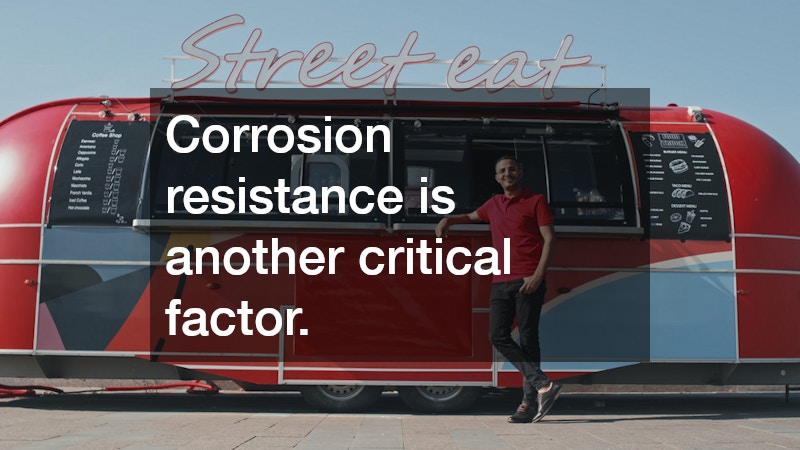
Corrosion resistance is another critical factor. Kitchens generate steam, grease, and moisture daily. Without proper protection, metal surfaces can degrade over time. Stainless steel with a high chromium content provides excellent resistance to rust, which extends the lifespan of your installation.
Finish also matters. Smooth, non-porous finishes are easier to clean and less likely to trap bacteria. Brushed finishes are common because they hide scratches better than mirror-polished surfaces while still maintaining a professional appearance.
Focus On Safety And Compliance Requirements
Health and safety regulations vary by location, but most jurisdictions require non-absorbent, easily cleanable surfaces in commercial kitchens. Metal panels that resist bacterial growth and are simple to sanitize are often preferred by inspectors.
Fire safety is another major concern. Cooking equipment generates intense heat, and materials must be able to withstand high temperatures without warping or releasing harmful fumes. Stainless steel is highly heat-resistant, making it a safe option near grills, fryers, and stovetops.
Edges and seams should also be considered. Sharp or unfinished edges can pose injury risks to staff working in tight quarters. Opt for professionally finished panels with smooth edges or protective trim. Proper installation ensures that panels are securely fastened, preventing movement while driving.
When evaluating food truck metal sheets, confirm that they meet NSF or local health department standards. Documentation from suppliers can make inspections smoother and prevent costly delays before opening day.
Consider Installation And Maintenance Factors
Even the highest-quality materials will underperform if installed incorrectly. Before purchasing, think about how the panels will be mounted. Some metals are easier to cut and shape, making them more adaptable to custom layouts. Lightweight materials can also simplify installation and reduce strain on the vehicle’s structure.
Proper sealing is essential to prevent moisture from getting behind panels. Waterproof adhesives and sealed seams help maintain sanitation and prevent mold or corrosion. Professional installation may cost more upfront, but can save money in long-term repairs.
Maintenance should also factor into your decision. Busy food trucks require frequent cleaning to maintain hygiene standards. Surfaces that resist staining and withstand strong cleaning agents will hold up better over time. Stainless steel is often favored because it tolerates regular scrubbing without significant damage.
Additionally, think about aesthetics. Clean, professional interiors create confidence for both customers and inspectors. Well-maintained metal surfaces reflect light, making small kitchens feel brighter and more spacious.
Choosing the right materials for your mobile kitchen is a decision that impacts performance, safety, and long-term costs. From selecting corrosion-resistant metals to ensuring compliance with health codes, every detail matters. By understanding material options, prioritizing durability, focusing on safety standards, and planning for proper installation, you can confidently invest in surfaces that support your daily operations.
The best choices balance strength, sanitation, and practicality. When you take the time to evaluate your needs and work with reputable suppliers, your interior panels will stand up to the demands of a busy kitchen and help keep your business running smoothly for years to come.